A Calendar With No Off-Season
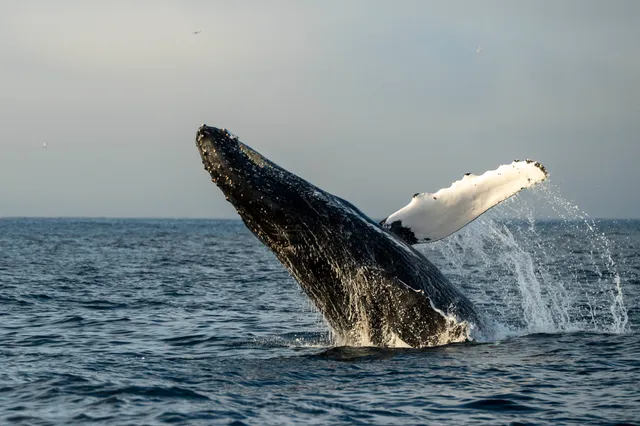
There's no bad season here, which is unusual for whale watching anywhere. December through April belongs to the Gray Whale migration. May through September brings Blue Whales, the largest animals to ever exist, cruising the same coastline. Fin whales, Minke whales, and humpbacks show up more or less year-round, and dolphins — Common, Bottlenose, occasionally Risso's — are close to a sure thing on any given trip. One guest wrote about a morning where the dolphins didn't just pass by but escorted the boat, hundreds of them, still going strong as the light faded. Another crew member, a naturalist named Allison, came up again and again in reviews for turning what could be a straightforward boat ride into something closer to a marine biology field trip, the kind where you end up trading beach recommendations with the crew after everyone's docked.
Comfort First, Just in Case
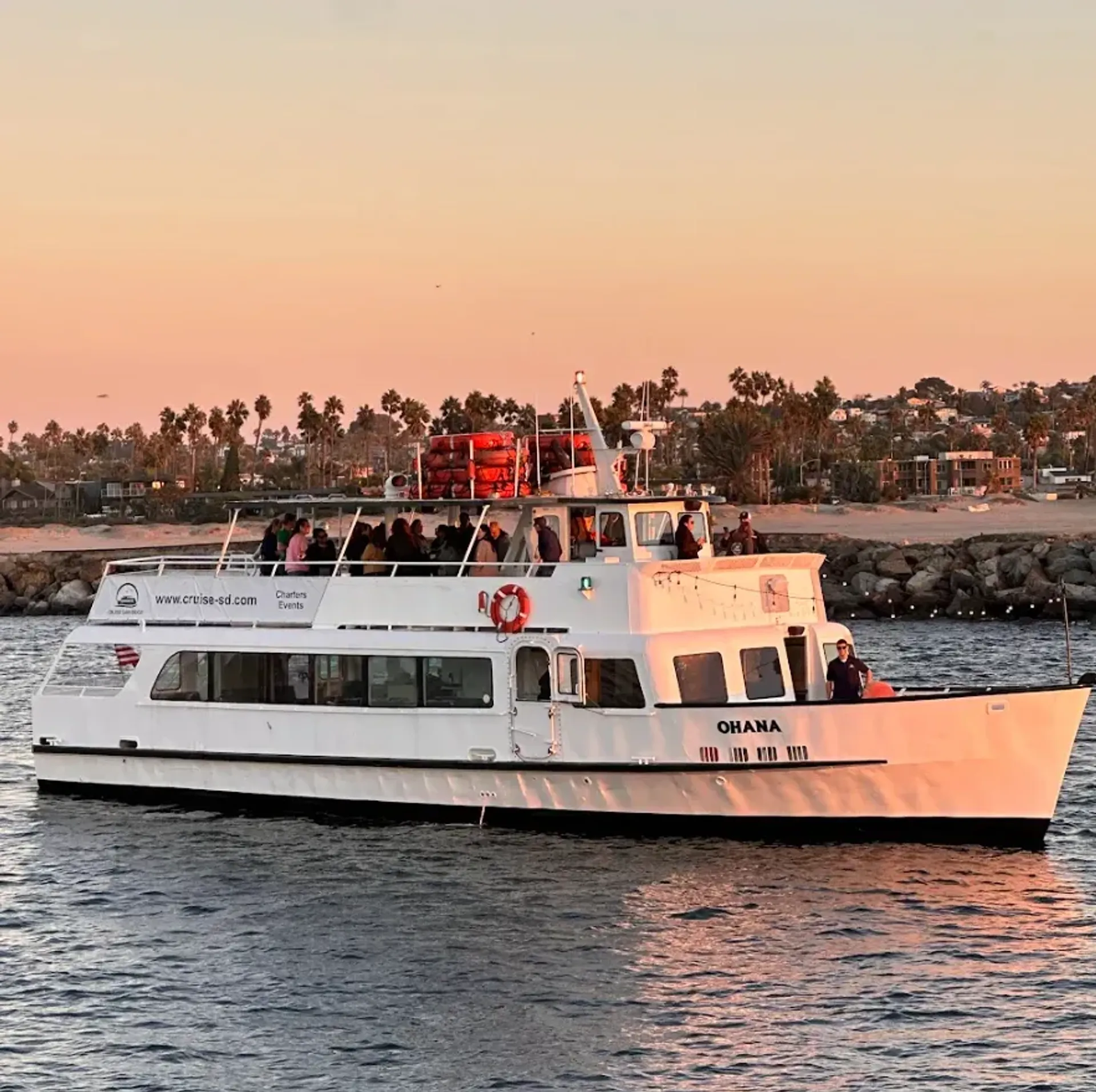
The boat itself is built for comfort over spectacle: indoor and outdoor seating, a fully stocked galley with snacks and drinks (alcohol becomes available once you clear the three-mile mark), and enough room that seasickness-prone guests have options besides gripping a rail. Bring layers — the ocean runs 10 to 15 degrees cooler than the parking lot — and don't bother packing alcohol or glass, since neither makes it past the ticket booth. If the whales don't show, which happens on any wildlife tour no matter who's running it, San Diego Whale Watch backs it with a Re-Ride Pass rather than a shrug.
What It Costs and Where to Park
Trips run 2 to 3 hours, starting at $65 per person, with a break at $56 for groups over ten. Free street parking lines Quivira Road if you get there early enough, which on summer weekends and holidays is worth doing — Mission Bay traffic doesn't care about your departure time.
👉 Book San Diego Whale Watch on Batch




.svg)















.jpeg)













.jpg)